What is User/Usability Testing , and how can you play a valuable role in shaping better products through reliable participation?
Getting better at user testing can help you build credibility for future surveys and tests. Let’s talk about the different kinds of testing and how to become a dependable test taker who contributes valuable feedback.
What is user testing?
it’s important to clear something up: user testing and usability testing are not the same thing.
User testing usually refers to any method where researchers ask people to interact with a product or service to gather feedback. This can include surveys, interviews, or behavior tracking. It’s more about understanding general user behavior or preferences.
Usability testing is more specific. It focuses on how easy or intuitive it is to use a product. In a usability test, users are asked to complete specific tasks while researchers observe what works and what doesn’t.
In both cases, your role as the tester is to be yourself and give honest, thoughtful feedback. Your insights help shape better products for everyone.
Why do companies run these tests?
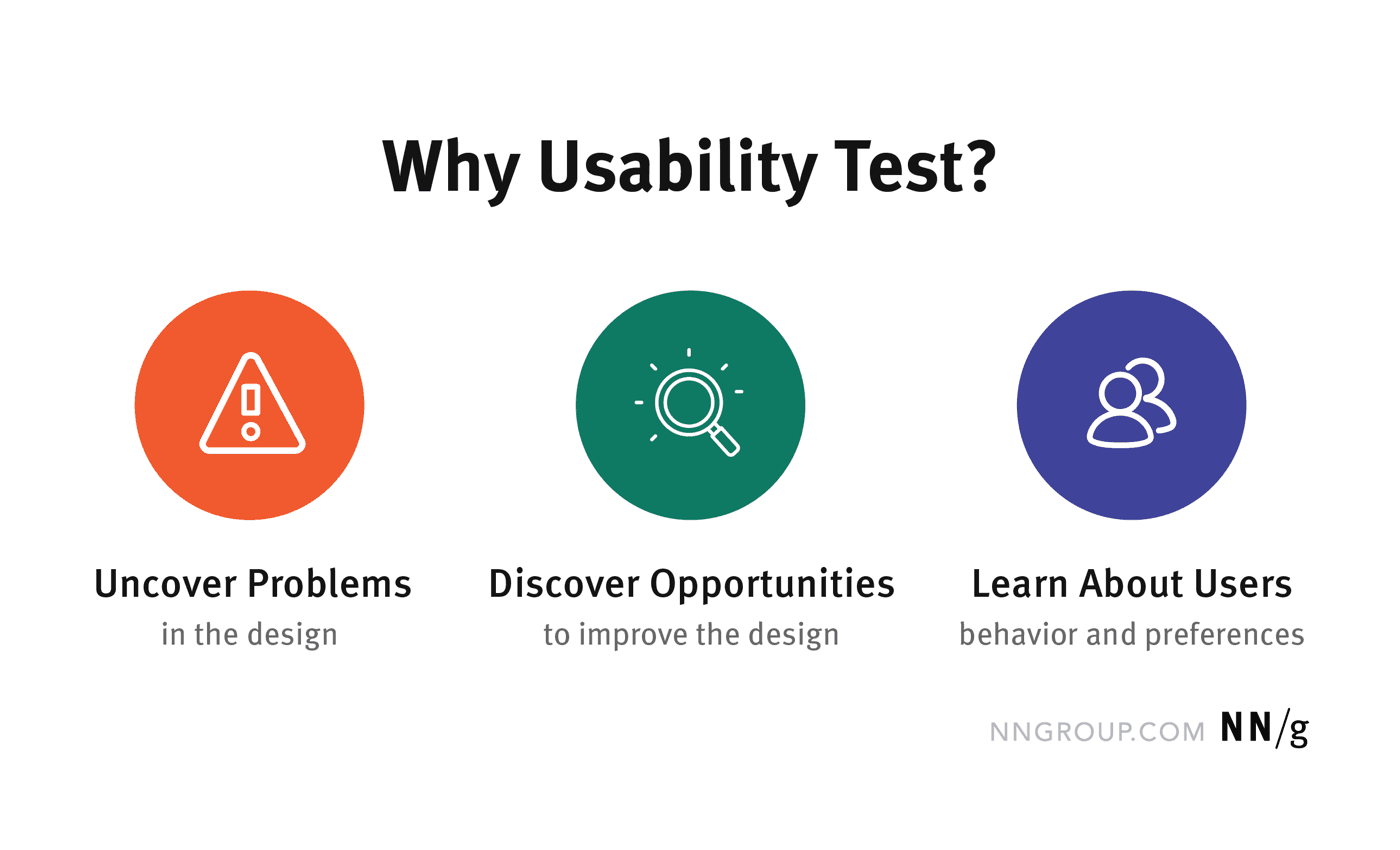
Companies test their products for a lot of reasons. Sometimes they’re rolling out something new or tweaking an existing feature. Other times they’re comparing different versions to see which one performs better. At the end of the day, their goal is to learn how people interact with their product and whether anything is confusing or frustrating.
The feedback you give, especially any new or unexpected information, helps teams improve the experience. You might not realize it, but you’re often helping shape tools and platforms you or others will use in the future.
Why is it important to be a good test participant?
Being honest and attentive during tests helps companies learn what’s working and what’s not. It also helps you stand out as a reliable participant. When you're clear, sincere, and follow instructions, you're more likely to be invited to future tests and even higher paying opportunities.
Even if the test feels small or simple, your participation has impact. Have you ever had trouble using an app or website and thought, "Why didn’t they test this?" Well, this is that test, and you’re the one who can make it better.
Can you make money doing user testing?
Yes, user testing can be a great way to earn extra money from home. Some tests are done in-person at research labs, universities, or usability testing centers, but many are remote now. Since the pandemic, a lot of companies shifted to remote testing, which opened the door for more people to participate comfortably from home.
You get to choose when and how often you participate, as long as you complete the tasks properly.
How do researchers know if testing is helping?
Researchers can’t always tell if users are enjoying a product just by looking at it. That’s why they collect both qualitativeand quantitative data. Qualitative data includes open ended feedback from interviews, focus groups, or surveys. Quantitative data includes metrics, ratings, or behavior tracking.
When you take your role seriously and give thoughtful answers, you’re helping researchers make meaningful changes. You may not see it directly, but your feedback can shift the direction of a product's development.

Usability tests:
Usability tests typically fall into two broad categories:
Qualitative: Focuses on discovering pain points or obstacles in the user experience.
Quantitative: Focuses on measurable data, such as completion rates or time spent on tasks.
Sometimes a mixed approach is used to get a more complete idea on what researchers and designers will focus on.
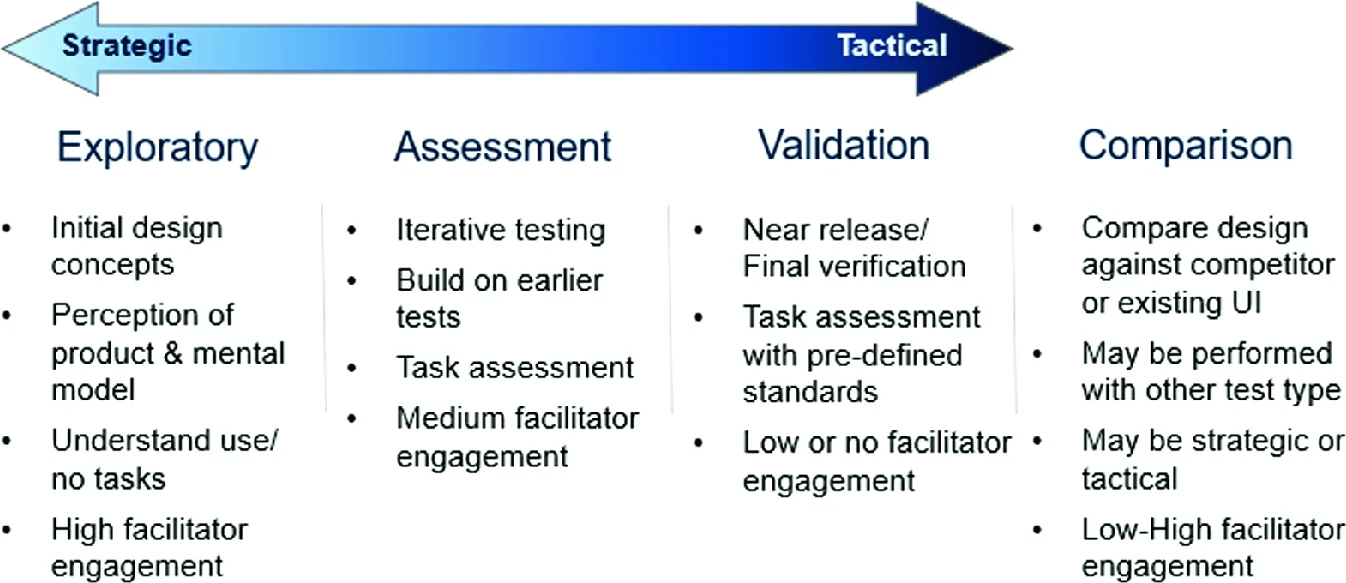
Researchers may be exploring early ideas, refining features, or testing final products. As a participant, your job isn’t to figure out what they’re measuring. Just follow instructions carefully so the results reflect your natural behavior.
The three main types of usability tests:
1. Remote vs In-Person
Remote testing happens from your own device (computer/phone), usually at home.
In-person testing takes place in a lab or physical location, often with direct observation.
2. Moderated vs Unmoderated
Moderated tests are guided by a facilitator who gives you instructions and might ask questions as you go.
Unmoderated tests are taken alone, without someone guiding you in real time. You follow the directions and submit your feedback independently.
Unmoderated tests might seem more casual, but they require focus. Some tests include trick questions to make sure you’re paying attention. If you skip around or don’t follow the steps, you could get flagged and lose access to future tests. Sometimes researchers will ask you to talk out loud as you're going through the test. We want to make sure we hear your thought process.
3. Explorative vs Assessment vs Comparative
Explorative tests are used early in the design process to get broad insights. They take longer and may involve multiple rounds of feedback.
Assessment tests evaluate how well a user can complete specific tasks. These are often used to determine satisfaction or ease of use.
Comparative tests are used to see how two or more options stack up against each other. This could mean testing different layouts, visual designs, or even comparing a company’s product to a competitor’s. One common type of comparative testing is A/B testing, where you’re shown two different versions and asked which one you prefer, or, in some cases, you’re not asked at all.
Sometimes companies run A/B tests without users even knowing. They test different versions on a large scale to see what performs best with a wide variety of users in different locations. Have you ever noticed an app look completely different one day, then go back to normal the next? That’s probably an A/B test. Or maybe you’ve been screen sharing with a friend and noticed their version of the same app looks totally different. It doesn’t always mean an app is getting a redesign, sometimes it’s just A/B test.
How to Avoid Getting Disqualified
As a researcher, I’ve also designed surveys and tests with attention check questions built in. These help me see if someone is actually paying attention or just clicking through a survey to get paid. Sometimes I’ll add filler questions at the beginning of a survey, not to confuse anyone, but to make sure the participant is a good fit for the study. It's not about being tricky, it’s about making sure the data is reliable and the feedback is coming from people who are genuinely engaged.
If you're a user participant, please:
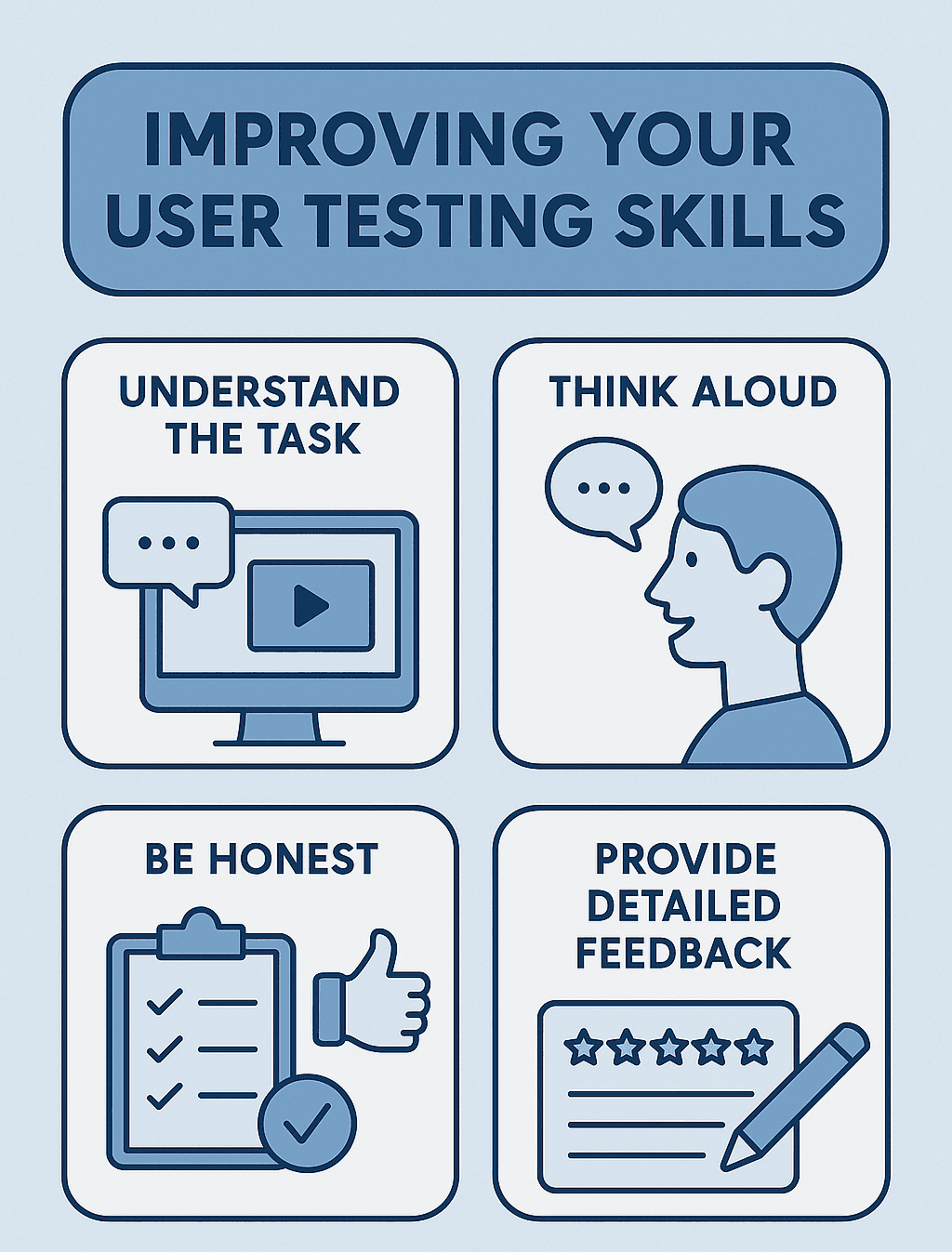
Read instructions carefully
Don’t rush or click randomly
Answer honestly
Pay attention to screener questions
Take it seriously, your input matters
Check out these websites for remote user testing:
UserTesting – One of the most well-known platforms for testing websites and apps.
TestingTime – Connects you with moderated and unmoderated tests, often used by European companies.
Prolific – Academic and scientific studies that value high-quality data and honest participation.
UserCrowd – Short design-focused tests, great for quick tasks.
Hotjar – Paid research interviews with global companies.
Userfeel – Offers usability tests you can take from your computer or phone.
Respondent – Higher-paying studies, including interviews and diary studies across a range of topics.
It is usually harder now to find in person testing. If you’re a university student, you might get emails from your psychology, statistics, or computer science departments to take tests or surveys. Reach out to these departments or professors in these departments. In academia, there is always research being done. You might not be directly doing usability testing but you can be participating in important research that might include surveys or focus groups. Many times you will be doing in-depth surveys.
In some cases, you will be reimbursed for your time, especially if get chosen to do in depth interviews after surveys. If you’re a part of Facebook, check out groups that host research, whether that be in User Experience or Marketing.
Happy Testing!
©2025